
Kids Martial Arts in Pittsburg, CA: What Parents Should Know
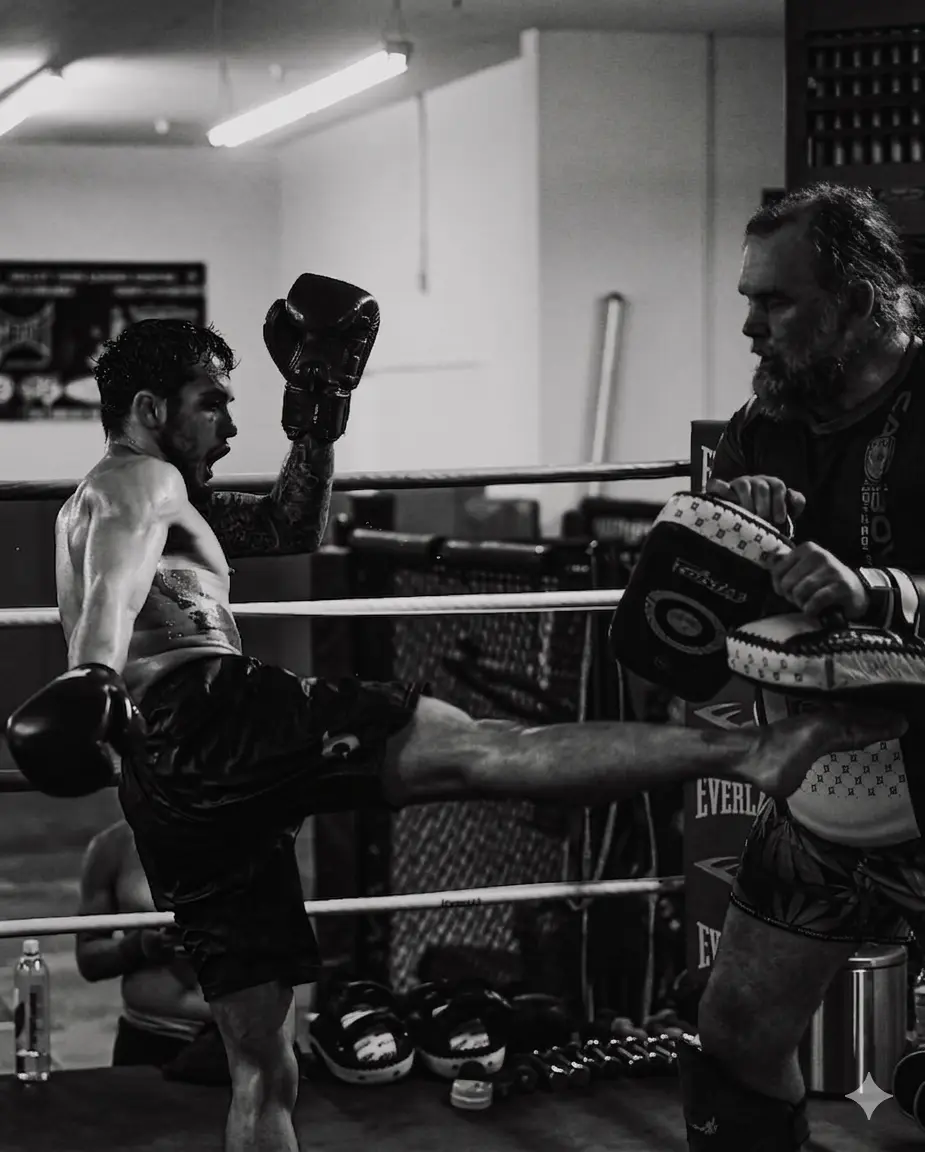
What the right kids program is actually building
The best kids martial arts programs are not primarily building fighters. They are building kids who know how to focus, take direction, handle frustration, and persist through difficulty. Those outcomes are what parents consistently report as most valuable years after their child stops training — not the belt they earned or the tournament they entered.
Martial arts gives children a structured physical challenge in an environment where the standards are real. A kick either has the mechanics right or it does not. A position is either held correctly or it is not. That kind of honest feedback — delivered well by a coach who respects kids without coddling them — is increasingly rare in children's activities, and it is exactly what produces the discipline and confidence that parents are looking for.
How to evaluate a kids martial arts program
Watch a class before enrolling. Specifically, watch how the instructor handles a child who is distracted, frustrated, or struggling. A good kids martial arts coach redirects without humiliating, challenges without demoralizing, and maintains genuine standards without making the room feel punishing. That balance is a skill, and not every instructor who is good with adults is good with children.
Also observe the room culture. Are older or more experienced students patient with newer ones? Is the environment competitive in a way that encourages improvement, or competitive in a way that discourages kids who are not already naturals? The room culture tells you what your child is walking into on day two, day fifty, and day two hundred.
Martial arts vs. sports — what kids get from training
Team sports teach cooperation, but they also hide individual accountability behind collective performance. A kid can have a poor game and the team still wins. Martial arts is individual. Your focus in class, your practice at home, your consistency over months — those variables determine what you actually develop. Children who train seriously in martial arts usually carry a more developed sense of personal responsibility into other areas of their lives because the art makes that connection explicit.
The coordination and body awareness that come from striking, footwork, and grappling training also tend to transfer into other sports and physical activities. Parents often notice their child becoming more athletic overall, not just in the martial arts class, after a year of consistent training.
What age is right to start
Most children are ready to benefit from structured martial arts instruction around age six or seven, when they can follow multi-step directions and sustain focus for thirty to forty minutes. Younger children can participate in some programs, but the key variable is whether the child can stay engaged and take correction without shutting down — which varies by child more than by age.
Starting too early sometimes builds resistance. A child who has a poor early experience in a class that does not match their developmental readiness will associate martial arts with frustration rather than challenge. When the timing is right and the program is good, children usually engage quickly and the habit builds naturally.
What to ask when calling a gym
Ask how the program is structured for beginners. Ask what a six-month student looks like compared to a first-week student. Ask whether the coaching staff has experience specifically with children, not just with adults. Ask whether belt promotions are earned through demonstrated skill or awarded on a schedule.
The answers will tell you whether the program takes kids seriously as students or treats their memberships as a revenue category. In the East Bay, a gym built on real coaching credentials will usually have clear answers to those questions. One that does not is probably more focused on enrollment than development.
Ready to Train for Real?
Reading helps, but progress happens in the gym. Book your first class or reach out if you want help choosing the right starting point.
Continue Reading
A beginner-friendly guide to walking into your first Muay Thai class at Team Black MMA in Pittsburg, CA.
How MMA training supports fat loss, confidence, and consistency when the coaching and environment are right.
A practical comparison of Brazilian Jiu-Jitsu and wrestling for control, takedowns, and real-world self-defense.